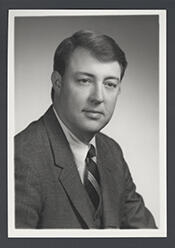
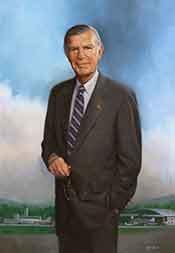
James Black was a member of the Democratic Party who represented Pennsylvania in the United States House of Representatives, serving three terms in Congress. As a U.S. Congressman from Pennsylvania, his tenure in the national legislature occurred during a significant period in American history, when the federal government and the states were grappling with questions of economic development, political realignment, and the evolving nature of representative democracy. Throughout his service, he participated in the legislative process and worked to represent the interests of his Pennsylvania constituents within the broader framework of national policy.
Born in Pennsylvania in the late eighteenth or early nineteenth century, James Black came of age in a state that was central to the early political and economic life of the United States. Pennsylvania’s mix of agricultural regions, growing industrial centers, and important transportation routes shaped the concerns of its public officials, and Black’s early experiences would have been informed by these developments. His background in the state provided him with familiarity with local issues and the needs of the communities he would later represent in Congress.
Black’s education likely reflected the opportunities available in Pennsylvania at the time, combining formal schooling with practical experience in law, business, or public affairs. As was common for many nineteenth-century political figures, he would have developed his understanding of government and public policy through a combination of study, civic engagement, and participation in local or state politics. This preparation helped position him for a role in elective office and informed his approach to legislative work once he entered the national arena.
Before his election to the United States House of Representatives, James Black became active in the Democratic Party, which in Pennsylvania was a major force in state and national politics. The party’s emphasis during this era on states’ rights, limited federal government in certain spheres, and support for agrarian and working interests resonated with many voters in the state. Through party activity, local leadership, or prior public service, Black established himself as a credible representative of his district’s interests and secured election to Congress as a Democrat from Pennsylvania.
James Black’s congressional service, encompassing three terms in the House of Representatives, placed him at the center of the federal legislative process. As a member of Congress, he contributed to debates and votes on the key issues of his day, participating in the democratic process at a time when the nation was confronting questions of territorial expansion, economic policy, internal improvements, and the balance of power between the federal government and the states. Representing Pennsylvania, he was attentive to matters affecting his constituents, including transportation links, commerce, and the broader economic health of the state, and he worked within the Democratic caucus to advance policies consistent with his party’s principles.
During his time in office, Black’s role as a representative required him to balance local concerns with national priorities. He engaged with petitions and communications from his district, addressed constituent needs, and took part in committee and floor work that shaped federal legislation. His three-term tenure indicates that voters in his district renewed their confidence in his performance, allowing him to build experience and seniority that enhanced his effectiveness as a legislator. In this capacity, he contributed to the ongoing development of the American legislative tradition and the institutional life of the House of Representatives.
After leaving Congress, James Black returned to private life in Pennsylvania, carrying with him the experience of multiple terms in national office. Like many former members of the House in the nineteenth century, he likely remained engaged in civic or party affairs, drawing on his knowledge of government and public policy to influence local or state matters. His years of service in Washington formed a notable chapter in a life spent during a transformative era in American political history, and his work as a Democratic congressman from Pennsylvania stands as his principal public legacy.
Congressional Record