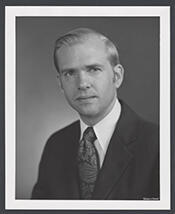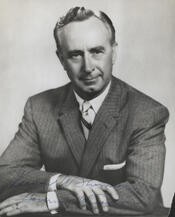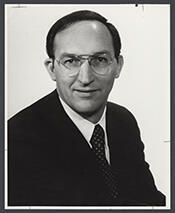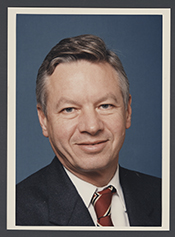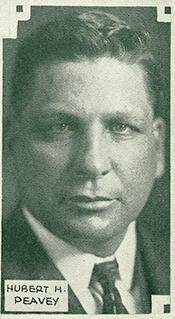
Hubert Haskell Peavey (January 12, 1881 – November 21, 1937) was a U.S. Representative from Wisconsin who served in the United States Congress from 1923 to 1935. A member of the Republican Party, he represented his constituents in the House of Representatives for six consecutive terms during a period of profound economic and political change in the United States.
Peavey’s early life and formative years preceded his entry into public service, and he came of age at the turn of the twentieth century, a time when Wisconsin was emerging as a center of progressive political thought and agricultural development. Growing up in this environment helped shape his understanding of the needs of Midwestern communities and the importance of responsive government. These experiences laid the groundwork for his later involvement in politics and public affairs.
As a young man, Peavey pursued the education and practical experience necessary for a career that would eventually lead him to national office. His early professional activities, which unfolded against the backdrop of Wisconsin’s evolving political landscape, brought him into contact with local leaders and civic institutions. Through this engagement, he developed a reputation for diligence and reliability, attributes that would serve him well when he sought elective office.
Peavey’s career advanced as he became more deeply involved in Republican Party affairs and public life in Wisconsin. By the early 1920s, he had established himself sufficiently within the party and among voters to win election to the United States House of Representatives. His successful campaign reflected both his personal standing in his community and the broader strength of the Republican Party in Wisconsin during this era, when the state played a notable role in national political debates.
In 1923, Peavey took his seat in the House of Representatives, beginning a congressional career that would span six terms, lasting until 1935. Serving as a Republican from Wisconsin, he contributed to the legislative process during a period that encompassed the later years of the post–World War I adjustment, the prosperity of the 1920s, and the onset of the Great Depression after 1929. As a member of the House, he participated in the democratic process by debating and voting on national legislation, working on committee assignments, and advocating for the interests of his district and state. His tenure required engagement with issues ranging from economic policy and agriculture to infrastructure and social welfare, as Congress grappled with the challenges of a rapidly changing nation.
Peavey’s service in Congress occurred during a significant period in American history, when lawmakers were called upon to respond to both domestic and international developments. Throughout his twelve years in office, he represented the interests of his constituents in Wisconsin, seeking to ensure that their concerns were heard in Washington. His work reflected the priorities of a largely Midwestern constituency, including attention to economic stability, rural communities, and the broader well-being of the state’s citizens.
After leaving Congress in 1935, Peavey’s public role diminished as newer figures emerged on the national stage during the New Deal era. Nevertheless, his years in office placed him among the Wisconsin representatives who helped guide federal policy through a turbulent interwar period. Hubert Haskell Peavey died on November 21, 1937, closing a life marked by over a decade of service in the U.S. House of Representatives and a career devoted to representing Wisconsin in the national legislature.
Congressional Record