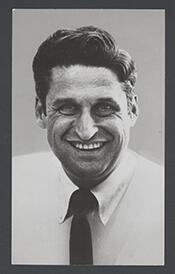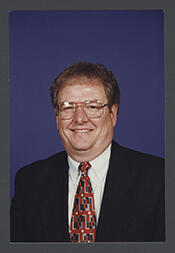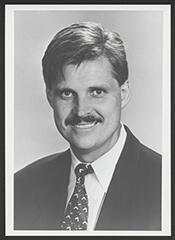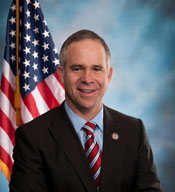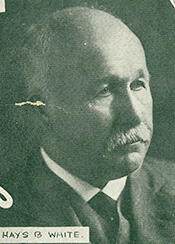
Hays Baxter White (September 21, 1855 – September 29, 1930) was a Republican U.S. Representative from Kansas who served five consecutive terms in the United States Congress from 1919 to 1929. His congressional career spanned a significant period in American history, encompassing the immediate post–World War I era, the early 1920s economic expansion, and the approach of the Great Depression. Over the course of his public life, he held offices at the local, state, and national levels, becoming a prominent figure in Kansas Republican politics and a participant in the national legislative process.
White was born near Fairfield, Jefferson County, Iowa, on September 21, 1855. He attended the rural schools of his native county, receiving the type of basic, practical education common to Midwestern farm communities in the mid-nineteenth century. In his youth he engaged in agricultural pursuits, gaining firsthand experience in farming that would shape his understanding of the economic and social concerns of rural constituents. His early life in Iowa reflected the westward movement and agrarian character of the United States during the post–Civil War period.
In 1875 White moved to Jewell County, Kansas, part of the broader migration into the Great Plains as that region was opened to more intensive settlement and cultivation. He engaged in agricultural pursuits near Mankato, Kansas, continuing his work as a farmer and establishing himself in the local community. In 1876 he taught school at Mankato, combining farming with teaching and contributing to the educational development of the area. This dual role as farmer and educator helped to root him in the civic life of Jewell County and provided a foundation for his later political career.
White entered public office at the state level as a member of the Kansas House of Representatives, in which he served from 1888 to 1890. His service in the state legislature came at a time when Kansas politics were strongly influenced by agrarian issues, railroad regulation, and the emerging Populist movement, and his background in agriculture aligned him with the concerns of his largely rural constituency. After a period back in private life, he returned to state government as a member of the Kansas State Senate from 1900 to 1904. In the Senate he participated in shaping state policy at the turn of the century, further consolidating his reputation as a Republican leader in Kansas.
In addition to his legislative work, White held important local and state administrative positions. He served as mayor of Mankato in 1914 and 1915, overseeing municipal affairs during a period of continued growth and modernization in small Kansas communities. Following his mayoral service, he was appointed a member of the Kansas State Tax Commission, serving from 1915 to 1918. In that capacity he was involved in the oversight and administration of state tax policy, a role that required familiarity with both agricultural and urban economic conditions and that gave him further experience in public finance and regulation.
White was elected as a Republican to the Sixty-sixth Congress and to the four succeeding Congresses, serving in the U.S. House of Representatives from March 4, 1919, to March 3, 1929. Representing Kansas in the House, he participated in the democratic process at the national level and worked to represent the interests of his constituents during a decade marked by postwar adjustment, debates over Prohibition, agricultural policy, and economic change. His election was unsuccessfully contested by W. H. Clark, and he retained his seat. During his tenure he became an influential member of the House, reflecting both his seniority and his experience in state and local government.
Within Congress, White held a significant leadership role as chairman of the Committee on Election of President, Vice President, and Representatives, serving in that capacity during the Sixty-eighth through the Seventieth Congresses. This committee was responsible for matters relating to federal elections, including the credentials and contests of Members of the House, and its work was central to maintaining the integrity of the electoral process. White’s chairmanship placed him at the center of deliberations on contested elections and procedural questions involving the composition of the House, underscoring his standing among his colleagues and his familiarity with electoral law and practice. After a decade in Congress, he chose not to be a candidate for renomination in 1928, bringing his national legislative career to a close at the end of his fifth term.
Following his departure from Congress in March 1929, White returned to Kansas. He spent his later life in Mankato, the community where he had long resided and where his public career had begun. He died in Mankato, Kansas, on September 29, 1930, just over a year after leaving office. Hays Baxter White was interred in Mount Hope Cemetery in Mankato, closing a life that had encompassed service as a teacher, farmer, state legislator, mayor, state tax commissioner, and member of the United States House of Representatives.
Congressional Record