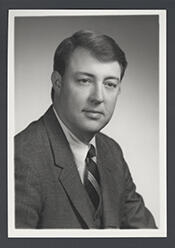
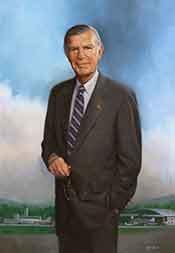
Harry James Davenport (August 22, 1902 – December 19, 1977) was a Democratic member of the U.S. House of Representatives from Pennsylvania. Over the course of a single term in Congress, he participated in the legislative process during a significant period in American history, representing the interests of his constituents as a member of the Democratic Party.
Details of Davenport’s early life, including his place of birth, family background, and formative years, are not extensively documented in the public record. Born on August 22, 1902, he came of age in the early twentieth century, a time marked by rapid industrialization, social change, and the lead-up to the First World War. These broader national developments formed the backdrop to his youth and likely influenced his later interest in public affairs and representative government.
Information about Davenport’s formal education is similarly limited in the available sources. There is no comprehensive account of the schools he attended or any degrees he may have earned. Nonetheless, by the time he entered public life, he had acquired sufficient experience and standing within his community and party to seek and obtain federal office, suggesting a background that prepared him for the responsibilities of legislative service.
Davenport’s career prior to his election to Congress is not fully detailed in surviving biographical references, but his emergence as a Democratic officeholder from Pennsylvania indicates that he was active in party affairs and local or state politics. His professional and political activities before arriving in Washington would have placed him in contact with the concerns of Pennsylvania residents during a period when issues such as economic development, labor relations, and postwar adjustment were central to public debate.
As a member of the Democratic Party representing Pennsylvania, Harry James Davenport contributed to the legislative process during one term in the U.S. House of Representatives. His service in Congress occurred during a significant period in American history, when the federal government was deeply engaged with questions of domestic policy, economic stability, and the evolving international order. In this capacity, he participated in the democratic process, working within the committee and floor procedures of the House to represent the interests of his constituents and to support his party’s legislative priorities.
Following his single term in Congress, Davenport left federal office and returned to private life. The public record does not provide extensive detail about his subsequent activities, but his post-congressional years unfolded against the backdrop of continuing national change, including the social and political transformations of the mid-twentieth century. He remained part of the generation of former lawmakers whose service linked the prewar and postwar eras in American politics.
Harry James Davenport died on December 19, 1977. His life spanned seventy-five years, encompassing two world wars, the Great Depression, and major shifts in American political and social life. Though his tenure in the U.S. House of Representatives was limited to one term, his service as a Democratic representative from Pennsylvania placed him within the institutional history of Congress and the broader narrative of twentieth-century American governance.
Congressional Record