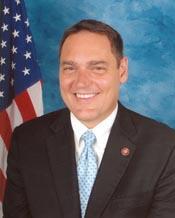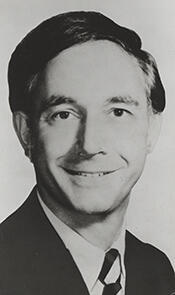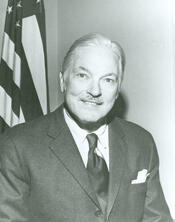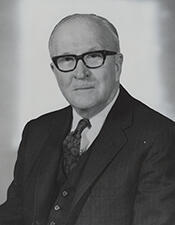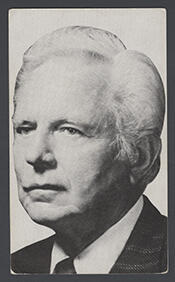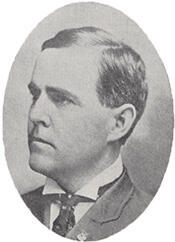
Grant Earl Mouser (September 11, 1868 – May 6, 1949) was a U.S. Representative from Ohio who served two terms in the United States Congress from 1905 to 1909. A member of the Republican Party, he represented his constituents in the House of Representatives during a significant period in American history and contributed to the legislative process in the early twentieth century. He was the father of Grant E. Mouser Jr., who also later became a United States Congressman from Ohio, continuing the family’s involvement in national politics.
Mouser was born on September 11, 1868, in LaRue, Marion County, Ohio. He grew up in the post–Civil War Midwest, a region undergoing rapid economic and social change, and his early life in Ohio shaped his later interest in public affairs and the law. Details of his childhood are sparsely recorded, but his subsequent professional path reflects a conventional trajectory for an aspiring public servant of his era, moving from local education into the legal profession and then into elective office.
After completing his early schooling in Ohio, Mouser pursued legal studies and was admitted to the bar, beginning the practice of law in Marion, Ohio. As an attorney, he became a recognized figure in his community, building a reputation that would support his entry into political life. His legal career provided him with experience in statutory interpretation and advocacy, skills that would later inform his work in Congress. Through his practice and local involvement, he established connections within the Republican Party at a time when the party was dominant in Ohio politics.
Mouser’s growing prominence in legal and civic affairs led to his election as a Republican to the United States House of Representatives. He was elected to the Fifty-ninth Congress and reelected to the Sixtieth Congress, serving from March 4, 1905, to March 3, 1909. During these two terms, he participated in the democratic process at the national level, representing the interests of his Ohio constituents in the House. His service coincided with the Progressive Era, a time marked by debates over regulation of industry, political reform, and expanding federal authority, and he took part in the legislative deliberations that characterized this transformative period in American governance.
As a member of Congress, Mouser contributed to the legislative process through his votes, committee work, and engagement with issues affecting both Ohio and the broader nation. While the detailed record of his specific legislative initiatives is limited in surviving summaries, his role as a two-term representative placed him at the center of national policymaking during the administration of President Theodore Roosevelt, when questions of economic regulation, conservation, and social reform were prominent. He fulfilled the representative function of conveying local concerns from his district to the federal government and helping to shape federal policy in response to those concerns.
After completing his second term, Mouser left Congress in 1909 and returned to private life in Ohio. He resumed the practice of law, continuing to be active in his profession and maintaining his standing in the community. His later years were marked by his ongoing association with public affairs through his family, particularly as his son, Grant E. Mouser Jr., followed him into national office as a United States Congressman from Ohio, underscoring the Mouser family’s sustained role in the state’s political history.
Grant Earl Mouser died on May 6, 1949. His life spanned from the Reconstruction era through the aftermath of World War II, and his congressional service during the early twentieth century placed him among those legislators who helped guide the United States through a period of rapid industrialization and political change. His career as a lawyer, his two terms in the House of Representatives from 1905 to 1909, and his role as the patriarch of a congressional family secure his place in the historical record of Ohio’s public life.
Congressional Record