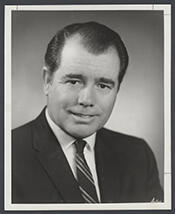
George Augustus Sheridan (February 22, 1840 – October 7, 1896) was an American Civil War veteran and politician who, along with Effingham Lawrence and Rebecca Latimer Felton, is known for serving for the shortest term in congressional history, holding office for just one day in the U.S. House of Representatives. He emerged as a public figure during the tumultuous years of the Civil War and Reconstruction, ultimately becoming associated with the Liberal Republican Party and the complex politics of postwar Louisiana.
Sheridan was born on February 22, 1840, in Millbury, Worcester County, Massachusetts. Details of his early life are sparse, but like many men of his generation he came of age as sectional tensions were escalating toward civil war. He moved to New York in his youth and was living there at the outbreak of the Civil War. The national crisis and the call to arms shaped his early adulthood and provided the foundation for his later public career.
During the American Civil War, Sheridan served in the Union Army. He entered the service from New York and rose to the rank of captain. His wartime experience, in common with many future political figures of the era, gave him both leadership credentials and a direct connection to the Union cause. After the war, he moved south, joining the large number of Northern veterans and entrepreneurs who settled in the former Confederate states during Reconstruction.
Sheridan’s postwar career developed in Louisiana, where he became active in Republican politics at a time when the party was seeking to consolidate Reconstruction reforms and protect the rights of newly freed African Americans. He aligned himself with the reformist wing of the party and became associated with the Liberal Republican movement, which emerged nationally in the early 1870s in opposition to what its adherents viewed as corruption and heavy-handed federal policies. As a member of the Liberal Republican Party representing Louisiana, George Augustus Sheridan contributed to the legislative process during one term in office, participating in the democratic process and representing the interests of his constituents during a significant period in American history.
Sheridan’s brief but historically notable service in Congress arose from a contested election in Louisiana’s 5th Congressional District during the Reconstruction era. He had been declared the victor over Democrat Effingham Lawrence in the election to the Forty-third Congress, but the result was challenged. After a prolonged dispute over the rightful holder of the seat, the House of Representatives ultimately decided in favor of Lawrence at the very end of the congressional term. As a result of the timing of the resolution, Sheridan was seated for only a single day before the term expired, placing him, together with Effingham Lawrence and later Rebecca Latimer Felton, among those with the shortest terms in congressional history. Despite its brevity, his service occurred at a moment when questions of representation, legitimacy, and federal authority in the South were intensely contested.
Following his involvement in Louisiana politics and his fleeting tenure in Congress, Sheridan did not return to national elective office. Like many Reconstruction-era figures whose prominence was tied to the unique circumstances of the period, his public profile diminished as federal occupation ended and political power in the South shifted. He continued to be remembered, however, both as a Union veteran and as a symbol of the complexities and irregularities of Reconstruction-era elections and congressional service.
George Augustus Sheridan died on October 7, 1896. His life spanned from the antebellum period through the Civil War and Reconstruction into the closing years of the nineteenth century. Though his formal time in the U.S. House of Representatives lasted only one day, his career as a Civil War officer, a Republican and Liberal Republican activist in Louisiana, and a participant in one of the most unusual congressional contests of his era secured him a distinctive place in American political history.
Congressional Record