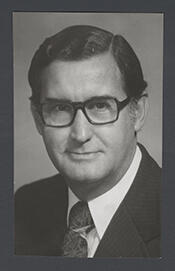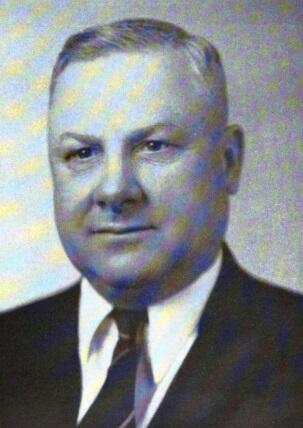
George Henry Heinke (July 22, 1882 – January 2, 1940) was a Nebraska Republican politician who served one term in the United States House of Representatives. As a member of the Republican Party representing Nebraska, he contributed to the legislative process during a significant period in American history, participating in the democratic process and representing the interests of his constituents during the late 1930s.
Heinke was born on a farm near Dunbar, Otoe County, Nebraska, on July 22, 1882. In his childhood his family moved several times within the Great Plains and Southwest, reflecting the mobility of many farming families of the era. In 1889 they moved to Douglas, Nebraska; in 1891 they relocated to San Angelo, Texas; and in 1894 they returned to Nebraska, settling in Talmage. These early moves exposed Heinke to both agricultural and frontier communities and helped shape his familiarity with rural concerns that would later inform his public service.
After completing his early education, Heinke pursued legal studies at the University of Nebraska College of Law. He graduated and was admitted to the bar in 1908. Following his admission to practice, he established a law practice in Nebraska City, Nebraska, an important regional center in southeastern Nebraska. His work as an attorney in Nebraska City brought him into close contact with local civic affairs and laid the foundation for his subsequent career in public office.
Heinke’s formal public career began at the county level. He served as prosecuting attorney for Otoe County, Nebraska, from 1919 to 1923, and, after a brief interval out of office, again from 1927 to 1935. In this role he was responsible for the prosecution of criminal cases and the representation of the county’s interests in legal matters. His repeated election to the position reflected the confidence of local voters in his abilities as a lawyer and public official and helped establish his reputation within the Republican Party in Nebraska.
Building on his legal and prosecutorial experience, Heinke advanced to national office as a Republican candidate for Congress. In 1938 he was elected to represent Nebraska in the Seventy-sixth United States Congress. He took his seat on January 3, 1939, at a time when the United States was emerging from the Great Depression and closely watching the mounting international tensions that would soon lead to World War II. During his one term in office, Heinke participated in the legislative process in the House of Representatives, representing the interests of his Nebraska constituents and contributing to debates and decisions in this significant period of American history.
Heinke’s congressional service was cut short by his untimely death. On January 2, 1940, while en route by automobile to Washington, D.C., he was killed in a car crash near Morrilton, Arkansas. His death occurred one day before the first anniversary of his taking office in Congress, and he became one of the members of the United States Congress who died in office during the first half of the twentieth century. Following his death, he was buried in Wyuka Cemetery in Nebraska City, Nebraska, where his career as a lawyer and public servant had been centered. Memorial services and eulogies honoring his life and service were later held in the House of Representatives and recorded in the congressional memorial proceedings.
Congressional Record