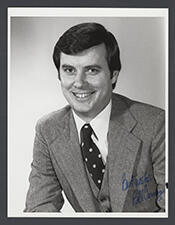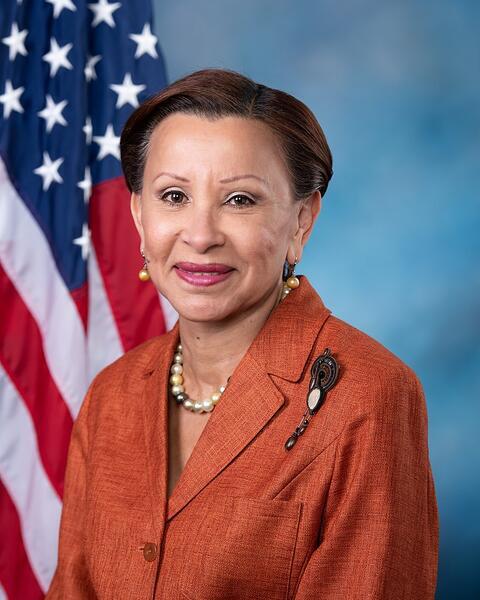
George Hall was a United States Representative from New York and a member of the Republican Party who served one term in Congress, contributing to the legislative process during a significant period in American history. As a Republican representing New York, he participated in the democratic process and represented the interests of his constituents in the U.S. House of Representatives.
George Hall (often identified in historical records as George Hall of New York to distinguish him from numerous contemporaries of the same name) was born in the State of New York during the closing decades of the eighteenth century, a time when the former colonies were consolidating into a new federal republic. He came of age as the early institutions of the United States were taking shape, and his formative years were marked by the political and economic development of New York as it emerged as a leading state in the Union. Although detailed records of his family background and early life are sparse, his later public career suggests that he benefited from the educational and civic opportunities available in New York in the early national period and developed an interest in public affairs and governance.
Hall’s education, like that of many early American legislators, likely combined formal schooling with practical experience in law, commerce, or local administration. New York in this era was home to a growing legal and mercantile community, and aspiring public men often read law in established offices or engaged in business while participating in town and county affairs. Through such avenues, Hall would have become familiar with the legal framework of the new nation, the operation of state and local government, and the partisan debates that shaped the early Republican and Federalist eras and, later, the evolving party system that produced the Republican Party with which he would be affiliated in Congress.
Before his election to the national legislature, Hall was part of New York’s broader political community, which included local officeholders, party organizers, and civic leaders who helped translate national issues into state and district concerns. In this milieu, he aligned himself with the Republican Party, which by the mid-nineteenth century had become a principal vehicle for anti-slavery sentiment, economic modernization, and the preservation of the Union. His political activity at the local and state level, though not extensively documented, positioned him as a credible candidate to represent his district in Washington and to advocate for the interests of New Yorkers in the national forum.
Hall’s congressional service consisted of a single term as a Republican member of the U.S. House of Representatives from New York. During this tenure, he contributed to the legislative process at a time of substantial national change, when questions of federal authority, economic development, and the rights of states and citizens were vigorously contested. As a representative, he participated in debates, committee work, and roll-call votes that formed part of the broader effort to shape federal policy. His role included communicating the concerns of his constituents to the national government and, in turn, explaining federal measures and priorities to the people of his district, thereby embodying the representative function at the heart of the American system.
Serving during a significant period in American history, Hall’s time in Congress coincided with an era in which New York’s influence in national politics was considerable, owing to its population, commercial power, and strategic position. As a Republican, he was part of a party coalition that sought to balance regional interests with national objectives, and his legislative work contributed to the ongoing refinement of federal law and policy. Although the surviving record does not single out particular bills or speeches associated with his name, his participation in the House added to the collective deliberation that guided the country through a complex and often contentious phase of its development.
After completing his one term in the House of Representatives, Hall returned to private life and to the civic and political networks in New York from which he had emerged. Like many one-term members of Congress of his era, he likely resumed professional pursuits in law, business, or local public service while maintaining an interest in the political questions of the day and in the fortunes of the Republican Party. His later years unfolded against the backdrop of continuing national transformation, as the institutions he had served in Congress evolved in response to new challenges. George Hall’s career thus reflects the experience of many nineteenth-century New York Republicans who, even in a single term, played a part in the representative governance of the United States and in the legislative history of their state and nation.
Congressional Record