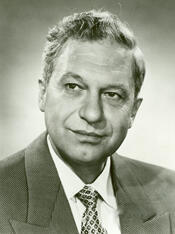
George Hedford Dunn (November 15, 1794 – January 12, 1854) was an American lawyer and politician who served one term as a U.S. Representative from Indiana from 1837 to 1839. A member of the Whig Party, he participated in the national legislative process during a significant period in American history, representing the interests of his Indiana constituents in the Twenty-fifth Congress.
Dunn was born in New York City on November 15, 1794. Little is recorded about his early youth, but by 1817 he had moved west to Lawrenceburg, in Dearborn County, Indiana, reflecting the broader pattern of migration and settlement into the Old Northwest during the early nineteenth century. In Lawrenceburg he began the study of law, preparing for a professional career on the frontier of the growing state.
In 1822 Dunn was admitted to the bar and commenced the practice of law in Lawrenceburg. He quickly became active in public affairs and entered state politics as a member of the Indiana House of Representatives, serving terms in 1828, 1832, and 1833. Beyond his legislative work, he was an early promoter of internal improvements in Indiana and played a notable role in advancing the first railway in the state, demonstrating his interest in transportation infrastructure and economic development. He sought national office as a candidate for election to the Twenty-fourth Congress but was unsuccessful in that initial attempt.
As a member of the Whig Party representing Indiana, Dunn was elected to the U.S. House of Representatives and served in the Twenty-fifth Congress from March 4, 1837, to March 3, 1839. During his single term in Congress he contributed to the legislative process at a time marked by debates over economic policy, banking, and internal improvements, participating in the democratic process and advocating for the needs of his district. He was an unsuccessful candidate for reelection at the conclusion of his term and returned to private life in Indiana.
After leaving Congress, Dunn resumed the practice of law in Lawrenceburg. He remained engaged in state public service and was elected state treasurer of Indiana, serving from 1841 to 1844. In addition to his statewide office, he later held judicial responsibilities as a judge of Dearborn County, Indiana, further extending his influence in the legal and civic life of the region.
In his later years Dunn continued to combine legal, political, and business interests. He became president of the Cincinnati & Indianapolis Railroad, a position that reflected both his longstanding advocacy of rail transportation and his role in the broader economic development of the Midwest. He held this office at the time of his death.
George Hedford Dunn died in Lawrenceburg, Indiana, on January 12, 1854. He was interred in New Town Cemetery in Lawrenceburg, closing a career that had encompassed service in local, state, and national office, as well as leadership in the early railroad development of Indiana.
Congressional Record