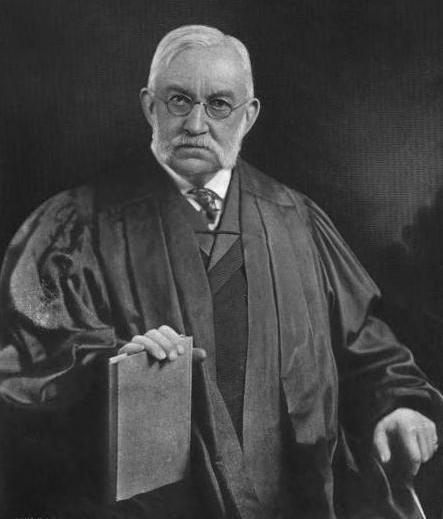
Frederick David Ely (September 24, 1838 – August 6, 1921) was a United States Representative from Massachusetts and a member of the Republican Party who served one term in Congress. Born on September 24, 1838, he came of age in a period of rapid political and economic change in the United States, developments that would shape both his outlook and his later public career. His early years in Massachusetts exposed him to the region’s strong traditions of civic engagement, public education, and commercial growth, influences that informed his eventual entry into law and politics.
Ely received his education in the schools of Massachusetts, where the common school movement and the state’s emphasis on literacy and civic responsibility were well established by the mid-nineteenth century. In this environment, he pursued the studies necessary for admission to the bar, undertaking the legal training that was customary for aspiring attorneys of his generation. By the time he completed his legal preparation, he had acquired a grounding in constitutional principles, statutory interpretation, and the practical aspects of legal practice that would later support his work as a legislator.
After being admitted to the bar, Ely entered the practice of law in Massachusetts. As an attorney, he participated in the legal and commercial life of his community, representing clients and gaining familiarity with the issues confronting residents and businesses in the state. His work at the bar provided him with experience in advocacy, negotiation, and the application of state and federal law—skills that were directly transferable to legislative service. Through his legal practice and local involvement, he developed a reputation that facilitated his transition into elective office.
Ely’s political career culminated in his election as a Republican to the United States House of Representatives from Massachusetts. As a member of the Republican Party representing Massachusetts, he contributed to the legislative process during one term in office, participating in the democratic process and representing the interests of his constituents. His service in Congress occurred during a significant period in American history, when questions of economic development, federal authority, and social change were prominent in national debate. Within this context, Ely took part in the deliberations of the House, bringing to bear his legal training and his understanding of the concerns of Massachusetts voters.
During his congressional term, Ely’s responsibilities included consideration of legislation affecting both his home state and the nation at large. As a representative, he was involved in the routine but essential work of committee deliberations, floor debate, and constituent service. His role required balancing local interests with broader national priorities, a task that reflected the evolving nature of federal governance in the late nineteenth and early twentieth centuries. Although his tenure in Congress was limited to a single term, it placed him within the broader movement of Republican leadership that shaped federal policy in that era.
After leaving Congress, Ely returned to private life in Massachusetts. Drawing on his prior experience, he resumed his legal and civic activities, remaining part of the professional and community networks that had supported his earlier career. In his later years, he witnessed the continued transformation of the United States through industrialization, urbanization, and the country’s growing role on the world stage, developments that followed the period of his own national service.
Frederick David Ely died on August 6, 1921. His life spanned from the antebellum period through World War I, and his career reflected the trajectory of many nineteenth-century American professionals who combined legal practice with public service. As a Republican representative from Massachusetts who served one term in the United States Congress, he contributed to the legislative work of his time and participated in the representative institutions that defined American political life.
Congressional Record