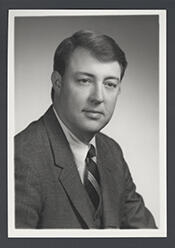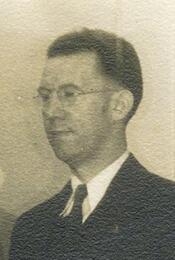
Frank Joseph Gerard Dorsey (April 26, 1891 – July 13, 1949) was an American businessman, educator, soldier, and Democratic politician who served as a member of the United States House of Representatives from Pennsylvania from 1935 to 1939. He was born in Philadelphia, Pennsylvania, on April 26, 1891, and spent his early years in that city. He attended local grade and high schools in Philadelphia, laying the foundation for a career that would span academia, military service, industry, and public office.
Dorsey pursued higher education at the University of Pennsylvania in Philadelphia, from which he was graduated in 1917. Even before completing his degree, he served on the faculty of the University of Pennsylvania in 1916 and 1917, reflecting an early engagement with teaching and academic life. His time at the university coincided with the period in which the United States entered World War I, a development that would soon redirect his career from the classroom to military service.
In July 1917, following the United States’ entry into World War I, Dorsey enlisted as a private in the Ordnance Department of the United States Army. He served through the duration of the conflict and was honorably discharged as a lieutenant on April 18, 1919. After leaving the Army, he returned to civilian life in Philadelphia and in 1919 engaged in the manufacture of steel tools, entering the industrial sector at a time of postwar economic adjustment. He also became involved in banking, broadening his experience in business and finance and establishing himself in the city’s commercial community.
Dorsey’s business and civic activities preceded his entry into national politics. A member of the Democratic Party, he was elected to the United States House of Representatives as a Democrat from Pennsylvania to the Seventy-fourth Congress and was reelected to the Seventy-fifth Congress, serving from January 3, 1935, to January 3, 1939. His two terms in Congress coincided with a significant period in American history, during the administration of President Franklin D. Roosevelt and the implementation of New Deal policies in response to the Great Depression. As a member of the House of Representatives, Dorsey participated in the legislative process, represented the interests of his Pennsylvania constituents, and contributed to the broader national debates of the era.
After serving two terms, Dorsey was an unsuccessful candidate for reelection in 1938 to the Seventy-sixth Congress. That same year, he was appointed a member of the United States Sesquicentennial Constitution Commission in 1938, a body established in connection with the 150th anniversary of the United States Constitution. His participation in the commission reflected his continuing engagement with national civic and constitutional issues even after his congressional service had ended.
Following his departure from Congress, Dorsey continued his public service at the federal level. He became director of Region III of the Wage and Hours and Public Contracts Division in the United States Department of Labor in 1939. In that capacity, which he held from 1939 until his death, he was involved in the administration and enforcement of federal labor standards, including wage and hour regulations and public contracts provisions that had emerged from New Deal–era legislation. His work in the Department of Labor extended his influence beyond Pennsylvania to a broader regional and national context.
Frank Joseph Gerard Dorsey died in Philadelphia, Pennsylvania, on July 13, 1949, while still serving as a regional director in the Department of Labor. He was interred in St. Dominic’s Cemetery. His career encompassed education, military service in World War I, industrial and banking enterprises, two terms in the United States House of Representatives, and a decade of administrative service in the federal government, marking him as a figure whose life reflected many of the central currents of American public life in the first half of the twentieth century.
Congressional Record