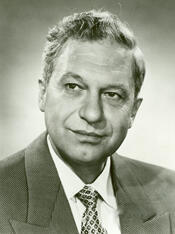
Francis Blackburn Posey (April 28, 1848 – October 31, 1915) was an American lawyer and Republican politician who served for five weeks as a member of the United States House of Representatives from Indiana in 1889. He was born in Petersburg, Pike County, Indiana, on April 28, 1848, the son of John Wesley Posey and Sarah Blackburn Posey, into a family rooted in the civic and political life of the state. His early years were spent in southern Indiana, where he received his initial education before pursuing formal higher studies.
Posey attended Asbury College (now DePauw University) for one year, reflecting an early commitment to advanced learning. He subsequently enrolled in the law department of Indiana University, now the Indiana University Maurer School of Law, where he completed his legal studies and earned a law degree in 1869. Shortly after his admission to the bar, he began the practice of law in Indiana, establishing himself as an attorney during a period of post–Civil War reconstruction and economic development in the Midwest.
On January 17, 1878, Posey married Emma Brown. The couple had four children, one of whom, John Adams Posey, would later gain recognition in his own right. While building his family life, Francis Posey continued to develop his legal practice and became increasingly active in Republican Party politics. His professional work and party involvement positioned him as a figure of some prominence in his region, and he participated in the broader political currents of the late nineteenth century.
As a member of the Republican Party representing Indiana, Posey contributed to the legislative process during one term in office, though his service in Congress was brief. He was elected as a Republican to the Fifty‑first Congress to fill the vacancy caused by the resignation of Representative Alvin P. Hovey, who had been elected Governor of Indiana. Posey took his seat in the U.S. House of Representatives on January 29, 1889, and served until March 3, 1889. His tenure, lasting approximately five weeks, occurred during a significant period in American history marked by debates over tariffs, economic policy, and veterans’ issues. During this short service, he participated in the democratic process and represented the interests of his Indiana constituents in the national legislature.
Posey sought to extend his political career beyond this interim congressional service but was defeated when he ran for election to a full term in the House. He also ran unsuccessfully for other offices, including a seat in the Indiana state Senate. Despite these electoral setbacks, he remained engaged in Republican politics and public affairs. Earlier in his political career, he had served as a presidential elector on the James A. Garfield ticket in 1880, reflecting his standing within the party and his involvement in national campaigns during the Gilded Age.
After his brief congressional service and subsequent unsuccessful campaigns, Posey continued his work as an attorney in Indiana. He resided for many years in Rockport, Spencer County, where he maintained his legal practice and remained a respected member of the community. His later life was devoted primarily to his profession and family, and he continued to be identified with Republican principles and the civic life of his region until his death.
Francis Blackburn Posey died at his home in Rockport, Indiana, on October 31, 1915. He was interred in Walnut Hill Cemetery in his native Petersburg, Indiana, thus returning in death to the community where his life had begun. His career, though marked by only a brief tenure in the United States Congress, reflected the trajectory of a nineteenth‑century Midwestern lawyer who combined professional practice with active participation in party politics and public service.
Congressional Record