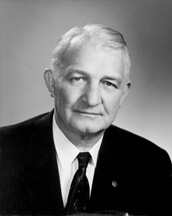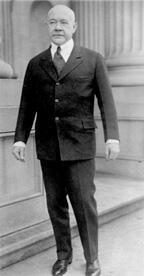
Davis Elkins (January 24, 1876 – January 5, 1959) was a United States senator from West Virginia and a member of the Republican Party who served in the United States Congress during the early twentieth century. Born into a politically prominent West Virginia family, he was the son of Stephen Benton Elkins, an influential industrialist and Republican politician who also represented West Virginia in the United States Senate. Growing up in this environment, Davis Elkins was exposed early to both business and public affairs, experiences that would shape his later career in politics and public service.
Elkins received his early education in West Virginia and, like many sons of prominent political families of his era, was introduced at a young age to the workings of government and the Republican Party. His father’s extensive business and political interests in railroads, mining, and land development in West Virginia and the surrounding region provided Davis Elkins with an understanding of the economic and social issues facing the state at the turn of the century. This background helped prepare him for a role in public life and gave him familiarity with the concerns of both industry and local communities.
Before entering the Senate, Elkins was involved in business and in the management of family interests, which were closely tied to the economic development of West Virginia. Through these activities he gained practical experience in administration and finance, as well as in dealing with labor, transportation, and resource-related questions that were central to the state’s economy. His standing in the Republican Party and his family’s established role in West Virginia politics positioned him as a natural candidate for higher office when opportunities arose.
Davis Elkins served as a senator from West Virginia in the United States Congress from 1911 to 1925. A member of the Republican Party, he contributed to the legislative process during two terms in office, representing his state in the Senate during a period marked by profound national and international change. His tenure encompassed the late Progressive Era, World War I, and the early years of the postwar period, when issues such as economic regulation, military preparedness, veterans’ affairs, and the nation’s role in world affairs were at the forefront of congressional debate. As a member of the Senate, Davis Elkins participated in the democratic process and represented the interests of his constituents, taking part in deliberations and votes on legislation affecting both West Virginia and the country as a whole.
During his years in the Senate, Elkins served alongside other notable West Virginia senators and was part of the state’s Republican leadership at the federal level. His service coincided with efforts to address the needs of a rapidly industrializing nation, including questions of infrastructure, transportation, and resource development that were particularly relevant to West Virginia’s coal and timber industries. In this context, Elkins’s background in business and his familiarity with the state’s economic base informed his work in Congress and his advocacy on behalf of West Virginia’s interests.
After leaving the Senate in 1925, Elkins returned to private life and to the management of his business and family affairs. Although no longer in public office, he remained associated with the Republican Party and with the civic and economic life of West Virginia. His long life spanned from the post–Civil War era into the mid-twentieth century, and he witnessed the transformation of both his state and the nation through industrialization, war, and social change. Davis Elkins died on January 5, 1959, closing a life that had been closely intertwined with the political and economic development of West Virginia and with the history of the United States Senate in the early twentieth century.
Congressional Record