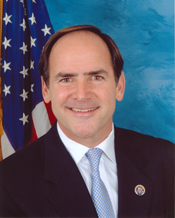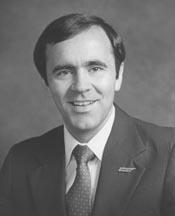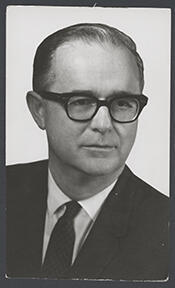
Dan Heflin Kuykendall (July 9, 1924 – June 12, 2008) was an American politician and businessman who served as a United States representative from Tennessee’s 8th and 9th congressional districts from 1967 until 1975. A member of the Republican Party, he was the first Republican to be elected in the 8th district since 1920 and the first to be elected in the 9th district since 1872. Over four terms in office, he contributed to the legislative process during a significant period in American history, participating in the democratic process and representing the interests of his constituents in West Tennessee.
Kuykendall was born on July 9, 1924, in Cherokee County, Texas. He came of age during the Great Depression and the Second World War, experiences that shaped his outlook on public service and national defense. Like many of his generation, his early adulthood was defined by military service, and he entered uniformed service during World War II, gaining firsthand experience with the challenges facing the United States at mid-century.
After the war, Kuykendall pursued higher education and professional opportunities that led him into the business world. He established himself as a businessman before entering politics, gaining experience in management and commerce that later informed his views on economic policy, federal spending, and regulation. His business background helped him cultivate a reputation as a practical, results-oriented figure, which he carried into his political career.
Kuykendall’s formal political career began within the Republican Party at a time when the party was still relatively weak in much of the South. He became active in Republican politics in Tennessee, aligning himself with the emerging two-party competition that was reshaping the region’s political landscape in the 1960s. His efforts coincided with a broader realignment in Southern politics, as national debates over civil rights, federal authority, and social policy began to alter long-standing party loyalties.
In 1966, Kuykendall was elected to the United States House of Representatives as a Republican from Tennessee’s 8th congressional district, taking office on January 3, 1967. His election marked a historic breakthrough for his party, as he was the first Republican to represent the 8th district since 1920. Following redistricting, he later represented Tennessee’s 9th congressional district, where his election likewise broke a long Democratic hold, making him the first Republican to be elected there since 1872. He served four consecutive terms in Congress, from 1967 to 1975, during a period that encompassed the Vietnam War, the civil rights era, and the Watergate scandal.
During his tenure in the House of Representatives, Kuykendall participated actively in the legislative process and committee work, reflecting both his party’s priorities and the needs of his Memphis-area constituents. He engaged with issues of national defense, economic policy, and federal spending, drawing on his business experience and wartime generation perspective. Serving in a time of intense national debate, he took part in deliberations on the conduct of the Vietnam War, domestic unrest, and the evolving relationship between the federal government and the states. As one of the relatively few Republicans from Tennessee during this era, he played a visible role in the gradual strengthening of the Republican Party in the state.
Kuykendall left Congress at the conclusion of his fourth term in January 1975, after losing his bid for reelection in the 1974 election cycle, which was heavily influenced by the political fallout from Watergate. He subsequently returned to private life and to business pursuits, remaining a figure associated with the early modern growth of Republican strength in West Tennessee. His post-congressional years were spent largely outside the public spotlight, but his earlier service continued to be noted in discussions of the region’s political realignment.
Dan Heflin Kuykendall died on June 12, 2008. His career marked a transitional moment in Tennessee and Southern politics, as he helped reestablish a competitive two-party system in districts that had been dominated by a single party for generations. Through his four terms in the House of Representatives, he contributed to the legislative debates of a transformative era in American history while representing his constituents in Tennessee’s 8th and 9th congressional districts.
Congressional Record