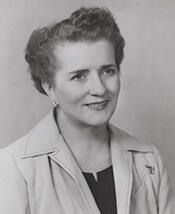
Cornelia Genevive Gjesdal “Coya” Knutson (née Gjesdal; August 22, 1912 – October 10, 1996) was an American politician from the state of Minnesota and the first woman elected to the United States Congress from Minnesota. She was born in Edmore, Ramsey County, North Dakota, to Norwegian immigrant parents and grew up on the family farm. Raised in a rural, agrarian environment, she developed an early familiarity with the concerns of farm families and small communities that would later shape her political priorities. Known from childhood by the nickname “Coya,” she pursued education as a path out of poverty and as a means to serve others.
Knutson attended Concordia College in Moorhead, Minnesota, where she studied music and graduated in the 1930s. After college she worked as a schoolteacher and music instructor in rural Minnesota and North Dakota, teaching in small-town schools and directing choirs. During this period she married Andy Knutson, a farmer and businessman, and the couple eventually settled in Oklee, Minnesota. There she continued to teach and became active in local civic affairs, gaining a reputation for energy, approachability, and strong advocacy on behalf of children and families. Her experience in the classroom and in small-town life deepened her understanding of the educational and economic challenges facing rural communities.
Knutson’s political career began at the state level. A member of the Democratic–Farmer–Labor Party (DFL), she was elected to the Minnesota House of Representatives in 1950 and served two terms, from 1951 to 1955. In the state legislature she focused on issues important to her largely rural constituency, including education, agriculture, and social services. Her work in St. Paul, combined with her visibility as a community leader in Oklee and the surrounding area, helped establish her as a credible and effective advocate for farmers, teachers, and working families at a time when women held few elected offices.
Building on her state legislative experience, Knutson ran for the United States House of Representatives in 1954 from Minnesota’s 9th congressional district as a DFL candidate. She won election and served as a Representative from Minnesota in the United States Congress from January 3, 1955, to January 3, 1959, encompassing the 84th and 85th Congresses. A member of the Democratic Party and its Minnesota affiliate, the DFL, she contributed to the legislative process during two terms in office and represented the interests of her largely agricultural district in northwestern Minnesota. Her service in Congress occurred during a significant period in American history, marked by the early Cold War, the Eisenhower administration, and the beginnings of the modern civil rights movement. In Washington she worked particularly on agricultural policy, farm price supports, and programs benefiting rural schools and communities, and she was known for her close attention to constituent service.
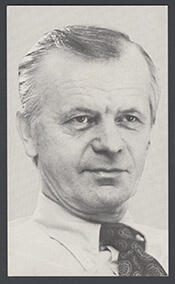
Knutson’s congressional career became nationally known not only for her status as Minnesota’s first congresswoman but also for the notorious “Coya, Come Home” episode that overshadowed her 1958 reelection campaign. In the spring of 1958 a public letter, purportedly written by her then-estranged husband, Andy, was released, urging her to abandon politics and return to domestic life. “Coya, I want you to tell the people of the 9th District this Sunday that you are through in politics. That you want to go home and make a home for your husband and son. As your husband I compel you to do this. I’m tired of being torn apart from my family. I’m sick and tired of having you run around with other men all the time and not your husband. I love you, honey.” He exhorted her to “come back to our happy, happy home.” Political rivals had put him up to it, and the letter’s image of a homebound husband longing for his congresswoman wife struck a powerful chord in a time of rigidly defined gender roles. Knutson had considered addressing her dysfunctional marriage in public two years earlier but had been dissuaded by her aides; the issue now returned in a highly damaging and sensational form.
The “Coya, Come Home” letter became a central feature of the 1958 campaign and is often cited as a stark example of sexism in American politics. Her Republican opponent that fall, Odin Langen, capitalized on the gendered climate by running on the slogan, “A Big Man for a Man-sized Job.” Despite the intense negative attention and the personal nature of the attacks, Knutson remained competitive. She overwhelmingly carried Oklee and much of the northern part of the district, where people knew the truth about her marriage and continued to support her. Nonetheless, she lost the general election by a little over a thousand votes, becoming the only Democratic incumbent in the country to fail to win reelection to the House that year. Her defeat ended her service in Congress on January 3, 1959, after two terms.
After leaving Congress, Knutson remained engaged in public service and political life, though she never again held elective office. She worked in various capacities related to government and social programs, including positions connected to federal anti-poverty and housing initiatives during the 1960s, and continued to speak out on issues affecting women, rural communities, and the disadvantaged. Over time, her career and the circumstances of her defeat came to be reassessed by historians and advocates for women in politics as emblematic of the structural barriers and cultural expectations that confronted female officeholders in the mid‑twentieth century.
Coya Gjesdal Knutson died on October 10, 1996, in Edina, Minnesota. In the years since her death she has been remembered as a pioneering figure in Minnesota politics, a dedicated representative of her rural constituents, and a symbol of both the possibilities and the obstacles facing women in American public life.
Congressional Record