United States Representative Directory

Charles Kellogg

Charles Kellogg served as a representative for New York (1825-1827).

  • Jackson
  • New York
  • District 24
  • Former
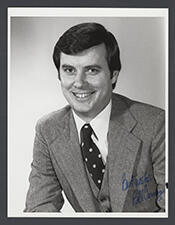
Portrait of Charles Kellogg New York
Role Representative

Current assignment referenced in the congressional directory.

State New York

Representing constituents across the New York delegation.

District District 24

District insights and legislative focus areas.

Service period 1825-1827

Years of public service formally recorded.

Font size

Biography

Charles Kellogg was the name of several notable American public figures and athletes whose careers spanned politics, environmental advocacy, and Olympic sport. The individuals bearing this name include Charles Kellogg (1773–1842), a U.S. Representative from New York; Charles Kellogg (1839–1903), a New York state senator; Charles Kellogg (1868–1949), a naturalist, vaudeville performer, and campaigner for the protection of the giant sequoias; and Charles Kellogg (1940–2015), an American Olympic cross-country skier. Each of these men achieved distinction in his respective field and contributed to public life in different eras of American history.

Charles Kellogg, the congressman (1773–1842), was a U.S. Representative from New York who served during the early decades of the United States. Born in the period shortly before the American Revolution, he came of age as the new nation was forming its political institutions. His career in public life culminated in his election to the United States House of Representatives from New York, where he participated in the legislative affairs of the young republic. Serving in Congress during a time of expanding national territory and evolving party politics, he was part of the generation that helped consolidate federal authority and shape the early contours of American governance. He remained a figure in New York’s public affairs until his death in 1842.

Another prominent political figure sharing the name was Charles Kellogg (1839–1903), a New York politician who served as a state senator. Born in the mid-nineteenth century, he entered public life in the aftermath of the Civil War, when New York was undergoing rapid industrialization and demographic change. As a member of the New York State Senate, he participated in state-level lawmaking at a time when issues such as infrastructure development, regulation of commerce, and political reform were central concerns. His legislative service placed him within the broader context of Gilded Age politics, in which state governments played a critical role in mediating between growing corporate power and the interests of citizens. He continued his involvement in New York political life until his death in 1903.

Charles Kellogg (1868–1949), the naturalist, was known both as a vaudeville performer and as a dedicated campaigner for the protection of the giant sequoias of California. Born shortly after the Civil War, he developed an unusual talent for imitating bird songs and natural sounds with his voice, a skill that brought him to public attention on the vaudeville stage in the late nineteenth and early twentieth centuries. His performances, which blended entertainment with demonstrations of natural phenomena, helped cultivate popular interest in the natural world. Deeply concerned about the preservation of America’s great trees, he became an outspoken advocate for the protection of the giant sequoias, using his public profile to draw attention to the threats posed by logging and development. Through lectures, demonstrations, and public appearances, he contributed to the broader conservation movement that was emerging in the United States during his lifetime. He remained active in this cause and in public exhibition of his naturalist talents until his death in 1949.

The most recent figure to bear the name was Charles Kellogg (1940–2015), an American cross-country skier who represented the United States at the Olympic level. Born in 1940, he grew up during a period when winter sports were gaining prominence in the United States, particularly in regions with established skiing traditions. Demonstrating exceptional endurance and athletic ability, he rose through national competition to earn a place on the U.S. Olympic team as a cross-country skier. His participation as an American Olympic skier placed him among the small number of athletes who have represented the United States in this demanding discipline, which has traditionally been dominated by European nations. Competing internationally, he contributed to the development and visibility of cross-country skiing in the United States. After his competitive career, he remained associated with the sport’s community until his death in 2015.

Taken together, the lives of these four men named Charles Kellogg illustrate the diverse ways in which individuals bearing the same name have influenced American public life. From early national politics in the U.S. House of Representatives, to state-level governance in New York, to the popularization of conservation ideals and the protection of the giant sequoias, and finally to the representation of the United States in Olympic cross-country skiing, each Charles Kellogg left a distinct mark on his field and on the historical record.

Congressional Record

Loading recent votes…

More Representatives from New York