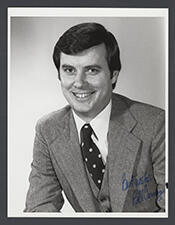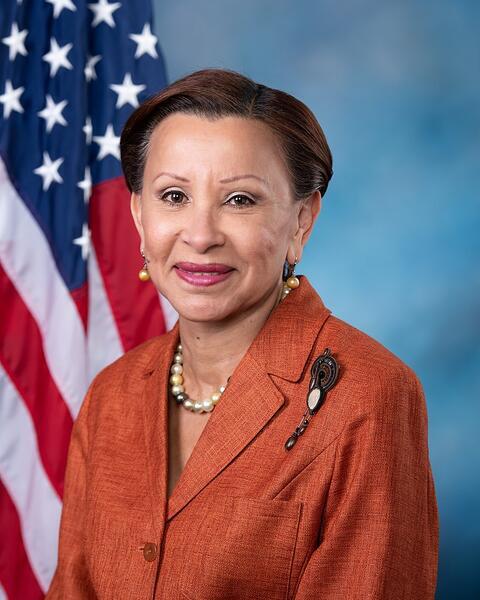
Charles Hughes was a member of the Democratic Party who represented the state of New York in the United States House of Representatives for one term. His service in Congress took place during a significant period in American history, when the nation was continuing to develop its political institutions and address the social and economic changes of the nineteenth century. As a Democratic representative from New York, he participated in the federal legislative process and worked to represent the interests and concerns of his constituents at the national level.
Born in 1822, Charles Hughes came of age in an era marked by rapid expansion of the United States, growing political party organization, and increasing sectional tensions. New York, as one of the most populous and economically important states in the Union, provided a dynamic environment for a young man interested in public affairs. Although specific details of his early life and family background are not well documented, his later political career indicates that he was able to establish himself within the Democratic Party at a time when party structures and local political organizations played a central role in advancing political careers.
Hughes’s education and early professional development likely reflected the pathways common to mid-nineteenth-century political figures in New York, who often combined legal training, business experience, or local public service with increasing involvement in party politics. By the time he entered national office, he had secured sufficient standing within the Democratic Party to be nominated and elected to represent a New York congressional district, suggesting prior engagement in local or state political activity and familiarity with the pressing issues of his day, including economic policy, infrastructure, and questions of federal versus state authority.
During his one term in the United States House of Representatives, Charles Hughes contributed to the legislative process as part of the Democratic delegation from New York. Serving in Congress during a consequential era, he took part in debates and votes that shaped national policy and reflected the priorities of his party and his constituents. As a representative, he would have been involved in considering legislation affecting commerce, transportation, finance, and the evolving relationship between the federal government and the states, as well as responding to the needs of a rapidly growing and diversifying population in New York.
After completing his single term in Congress, Hughes did not return to the House for subsequent service, but his time in office formed part of the broader history of New York’s representation in the federal legislature. His career illustrates the pattern of many nineteenth-century congressmen who served limited terms before returning to private life or to other forms of public or professional activity at the local or state level. Although the details of his later life are not extensively recorded, his participation in national governance during a formative period underscores his role in the democratic process and in the representation of New York’s interests in Washington.
Charles Hughes died in 1887, closing a life that spanned from the early antebellum period through the Civil War and into the postwar era of reconstruction and industrial growth. His career in Congress, though limited to one term, placed him among the ranks of those New Yorkers who helped shape federal policy during a time of profound transformation in the United States.
Congressional Record