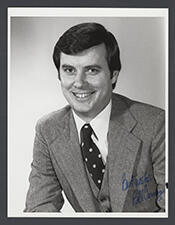
Charles Lewis Beale (March 5, 1824 – January 30, 1899) was an American politician and a member of the United States House of Representatives from New York. As a member of the Republican Party representing New York, he contributed to the legislative process during one term in office, serving during a significant period in American history and participating in the democratic process on behalf of his constituents. His congressional career placed him within the broader political realignments and sectional tensions that characterized the United States in the mid-nineteenth century.
Born on March 5, 1824, Beale came of age in an era marked by rapid economic expansion, the rise of new political parties, and intensifying national debates over slavery and federal authority. Although detailed records of his early life and family background are limited, his later professional and political achievements suggest that he received a level of education and training consistent with entry into the legal and political professions of his time. Growing up in New York, he would have been exposed to the state’s dynamic commercial environment and its central role in national politics, factors that likely influenced his decision to pursue public service.
Beale’s education prepared him for a career that intersected with law, public affairs, and partisan politics. In the nineteenth century, aspiring public figures in New York commonly studied in academies or private schools before reading law in established offices, and Beale appears to have followed a similar path into professional life. His legal and civic experience provided the foundation for his later role as a representative, equipping him with familiarity in statutory interpretation, public policy, and the workings of state and local government at a time when New York was one of the most influential states in the Union.
By the time Beale entered national politics, the Republican Party was emerging as a major force, formed in the 1850s in opposition to the expansion of slavery and in support of a more active federal role in economic development. As a member of the Republican Party representing New York, Beale aligned himself with this new political coalition. His election to the United States House of Representatives for a single term reflected both his personal standing in his district and the broader shift of many New Yorkers toward Republican principles. In Congress, he contributed to the legislative process at a moment when issues such as states’ rights, the future of slavery in the territories, and the balance of power between North and South dominated the national agenda.
During his one term in the House of Representatives, Beale participated in debates and votes that helped shape federal policy in the years leading up to the Civil War. Although the detailed record of his individual speeches and committee assignments is sparse, his service coincided with a period in which New York’s congressional delegation played a critical role in questions of commerce, infrastructure, and national unity. As a representative, he was responsible for articulating and defending the interests of his constituents while also engaging with the broader ideological conflicts that defined the era. His work in Congress formed the centerpiece of his public career and placed him among the many mid-nineteenth-century legislators whose collective decisions influenced the nation’s trajectory.
After completing his term in Congress, Beale did not return to the House for subsequent service, but he remained part of the generation of Republican leaders who had helped establish the party’s early identity. Former members of Congress in his position often resumed legal practice, engaged in business, or participated in state and local political affairs, drawing on their national experience to shape public life closer to home. While the surviving record does not provide extensive detail on his later professional activities, his continued presence in New York during the postwar decades would have situated him amid the state’s ongoing industrial growth, urbanization, and political change during Reconstruction and the Gilded Age.
Charles Lewis Beale died on January 30, 1899, closing a life that spanned from the early republic through the aftermath of the Civil War and into the modern industrial era. His career as a Republican representative from New York, though limited to one term in the United States House of Representatives, placed him within a transformative period in American political history. Through his service, he contributed to the legislative processes of the federal government and represented the interests of his New York constituents during a time of profound national conflict and change.
Congressional Record