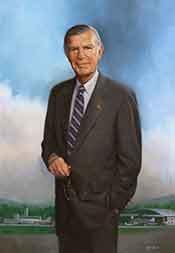
Alfred Buckwalter Garner (March 4, 1873 – July 30, 1930) was a Republican member of the U.S. House of Representatives from Pennsylvania. As a member of the Republican Party representing Pennsylvania, he contributed to the legislative process during one term in office. His service in Congress occurred during a significant period in American history, as the nation continued to grapple with industrialization, labor issues, and evolving political realignments in the early twentieth century.
Garner was born on March 4, 1873, in Ashfield, a village in East Penn Township, Carbon County, Pennsylvania. He was raised in a region shaped by coal mining and related industries, an environment that exposed him early to the economic and social issues affecting working communities in northeastern Pennsylvania. Details of his family background and early schooling are sparse in the public record, but his subsequent professional path indicates that he received sufficient preparatory education to pursue legal studies and enter the bar.
Pursuing higher education and professional training, Garner studied law in Pennsylvania and prepared for admission to the bar. After completing his legal studies, he was admitted to the bar and commenced the practice of law in Ashfield and the surrounding area. As an attorney, he built a career that placed him in close contact with local citizens, businesses, and public officials, giving him practical experience with the legal and regulatory questions that would later inform his legislative work. His legal practice, rooted in a small-town and industrial-region context, provided a foundation for his entry into public life and Republican Party politics.
Garner’s political career culminated in his election to the U.S. House of Representatives as a Republican from Pennsylvania. He was elected to the Sixty-first Congress and served one term in office, representing his constituents at the national level. During this period, which encompassed the years 1909 to 1911, Congress addressed issues such as tariff policy, regulation of interstate commerce, and the federal government’s role in economic affairs. As a Republican member of the House, Garner participated in the democratic process and contributed to the legislative deliberations of this era, representing the interests and concerns of his Pennsylvania district within the broader national debate.
After completing his single term in Congress, Garner returned to private life and the practice of law in Pennsylvania. While specific details of his post-congressional activities are limited in surviving records, it is evident that he resumed his legal career and remained engaged in the civic and political life of his community. His experience in the House of Representatives, combined with his longstanding legal practice, positioned him as a figure of local influence and a participant in the ongoing public affairs of his region.
Alfred Buckwalter Garner died on July 30, 1930. His life spanned a period of profound economic and political change in the United States, from the late nineteenth century through the early decades of the twentieth century. Through his legal work and his service as a Republican member of the U.S. House of Representatives from Pennsylvania, he took part in the representative institutions of his state and nation, contributing to the legislative process during a formative period in American history.
Congressional Record