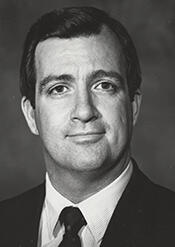
Adam Wilson Snyder (October 6, 1799 – May 14, 1842) was a U.S. Representative from Illinois, a member of the Democratic Party, and an officer in the Illinois militia during the Black Hawk War. He served one term in the United States Congress, representing Illinois during a formative period in the state’s and the nation’s political development, and was active in the broader democratic process of the early nineteenth century.
Snyder was born on October 6, 1799. Details of his early life and family background are sparsely documented in surviving records, but like many men of his generation who later entered public life in the Old Northwest, he came of age as the frontier regions of the Midwest were being settled and organized into states. His early years coincided with the rapid westward expansion of the United States and the political realignments that followed the War of 1812, developments that would shape both Illinois’s growth and Snyder’s later public career.
Information about Snyder’s formal education is limited, but his subsequent legal and political work suggests that he obtained the level of education and training typical of early nineteenth-century American lawyers and public officials. During this period, aspiring professionals often combined self-directed study with apprenticeships or reading law under established attorneys. Snyder’s later responsibilities in the militia and in Congress indicate that he had acquired the literacy, legal familiarity, and civic grounding necessary for public service in a young and rapidly developing state.
Snyder’s early career unfolded in Illinois, where he became involved in public affairs and military service. He joined the Illinois militia and served during the Black Hawk War in 1832, a conflict between the United States and Native American groups led by the Sauk leader Black Hawk over land and settlement in Illinois and the Wisconsin Territory. As a member of the Illinois militia during this campaign, Snyder participated in the defense and consolidation of American settlements at a time when Illinois was transitioning from a frontier society to a more settled agricultural and commercial state. His militia service helped establish his public reputation and connected him with other rising Illinois political figures of the era.
As a Democrat, Snyder entered national politics as a representative of Illinois in the United States House of Representatives. He served one term in Congress, where he contributed to the legislative process during a significant period in American history marked by debates over economic policy, westward expansion, and the evolving role of the federal government. In representing his Illinois constituents, Snyder participated in the work of shaping national policy while also attending to the needs and interests of a growing western state, reflecting the broader tensions and opportunities of the Jacksonian and post-Jacksonian political order.
Snyder’s congressional service formed the centerpiece of his public career. During his time in the House, he aligned with the Democratic Party’s principles as they were then understood, supporting a vision of political participation that emphasized the role of the common citizen and the interests of the western states. Although the detailed record of his specific votes and committee assignments is limited in surviving summaries, his tenure placed him among the cohort of Illinois Democrats who helped integrate the state more fully into national political life and ensured that the concerns of its farmers, settlers, and emerging towns were heard in Washington.
After his service in Congress, Snyder remained identified with the Democratic Party and with the public life of Illinois. His career illustrates the trajectory of many early Illinois leaders who combined military service, legal or civic engagement, and legislative work during the state’s formative decades. He died on May 14, 1842. His life and career, though relatively brief, coincided with and contributed to a transformative period in Illinois and United States history, encompassing frontier conflict, party development, and the institutional consolidation of a young state within the federal union.
Congressional Record